
- 905/13, Batala Road, Near Kamal Palace, Amritsar, Punjab-143001
- 24X7 Open

Dialysis
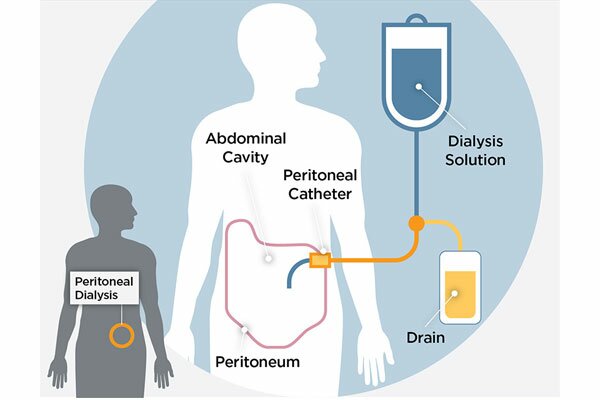
Dialysis is a treatment that does some of the things done by healthy kidneys. It is needed when your own kidneys can no longer take care of your body's needs.
When is dialysis needed?
You need dialysis when you develop end stage kidney failure --usually by the time you lose about 85 to 90 percent of your kidney function and have a GFR of <15.
What does dialysis do?
When your kidneys fail, dialysis keeps your body in balance by:
- removing waste, salt and extra water to prevent them from building up in the body
- keeping a safe level of certain chemicals in your blood, such as potassium, sodium and bicarbonate
- helping to control blood pressure
Is kidney failure permanent?
Usually, but not always. Some kinds of acute kidney failure, also known as acute renal failure, get better after treatment. In some cases of acute kidney failure, dialysis may only be needed for a short time until the kidneys get better.
In chronic or end stage kidney failure, your kidneys do not get better and you will need dialysis for the rest of your life. If your doctor says you are a candidate, you may choose to be placed on a waiting list for a new kidney.
Where is dialysis done?
Dialysis can be done in a hospital, in a dialysis unit that is not part of a hospital, or at home. You and your doctor will decide which place is best, based on your medical condition and your wishes.